Medication Management vs. Medication Administration: Key Differences in Senior Care

The primary difference lies in the level of clinical oversight. Medication management in assisted living typically involves reminders and physical assistance for those who can self-direct, while medication administration in nursing homes requires licensed medical professionals to physically prepare and give doses to residents who lack the functional capacity to do so themselves.

Comparison of Care Levels: Management vs. Administration

Choosing the right environment for a loved one depends on their specific clinical needs. While both types of facilities prioritize safety, the “who,” “how,” and “why” of medication handling differ based on state regulations and the resident’s cognitive health. For families exploring local options, finding the right senior living in Salem, NJ, requires understanding whether a social model or a clinical model is appropriate for their loved one’s current health status.

Feature Medication Management (Assisted Living) Medication Administration (Nursing Home)
Primary Goal Promoting independence and reminders. Clinical safety and medical accuracy.
Who Performs It? Often Medication Techs or UAPs. Licensed Nurses (RN/LPN).
Resident Role Active participant in the process. Passive recipient of clinical care.
Common Tasks Opening bottles, timing reminders. Injections, crushing meds, IV therapy.
Regulation Social model of care. Federal/State clinical mandates.

Core Components of Medication Management

In a typical assisted living in Salem, the focus is on “assistance with self-administration.” This model is designed for seniors who are largely independent but may have minor physical limitations or early-stage memory gaps that require a safety net. Staff focuses on verbal reminders, helping open child-proof bottles, and documenting that the resident took their dose to prevent accidental doubling.

Core Components of Medication Administration

When a senior moves into a nursing home and rehabilitation center in Salem, NJ, the process shifts to a formal “med pass.” Here, the facility takes full legal and clinical responsibility for the resident’s medication schedule. Licensed nurses verify the “Six Rights,” prepare liquid dosages or injections, and monitor the resident immediately for any side effects or efficacy of the treatment.

Debunking the “Safety” Myth: Why Administration Isn’t Always “Better”

A common industry misconception is that medication administration is always superior to medication management. While a skilled rehabilitation center in Salem offers high clinical surveillance, the social model of assisted living is intentionally designed to preserve autonomy. During a recent audit for a firm in Quinton, we noted that forcing a resident who can self-direct into a passive administration protocol can lead to “learned helplessness,” where the senior loses the cognitive sharpness required to understand their own health needs.


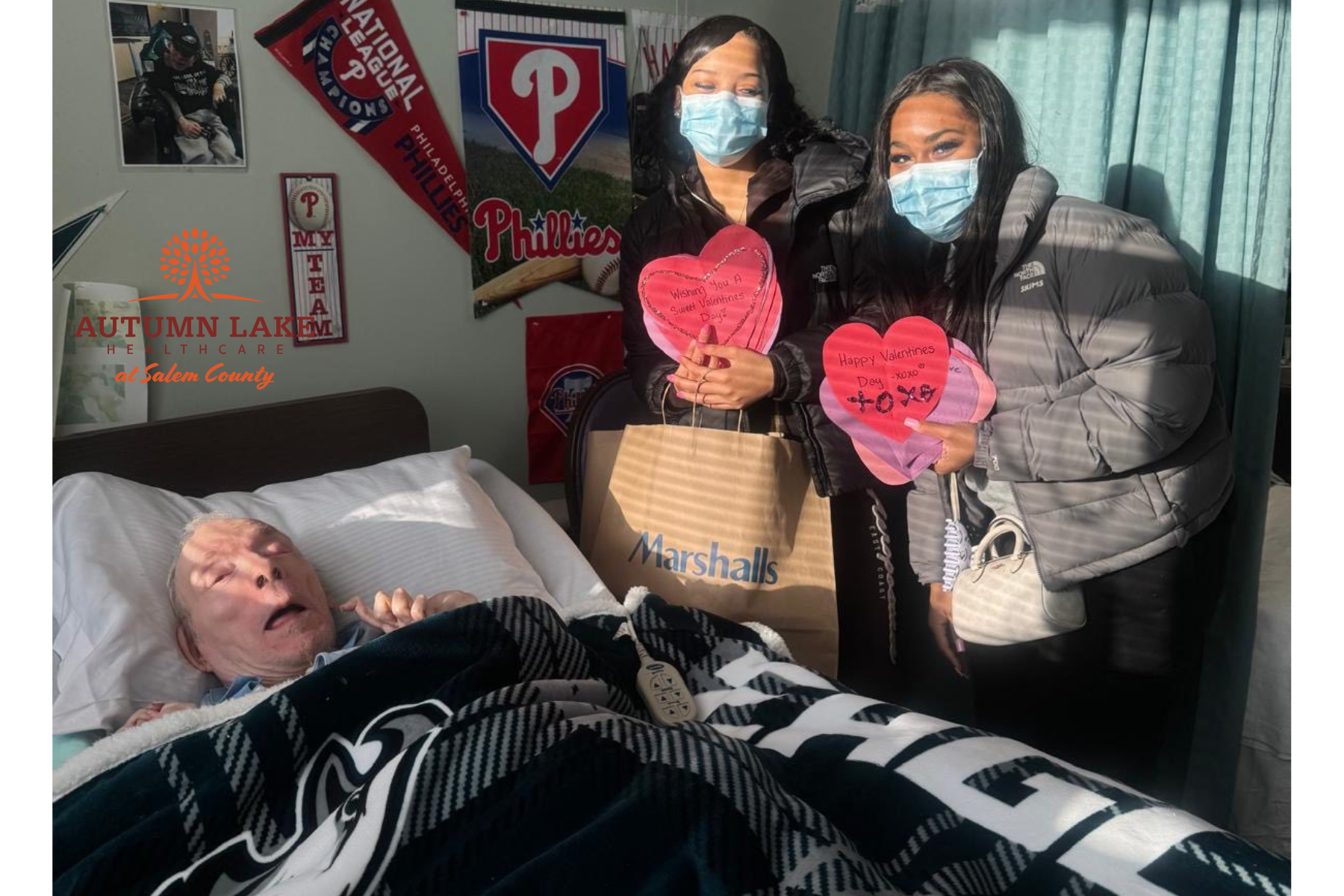
Two masked visitors stand by a resident's bed in an assisted living room, holding handmade Valentine's hearts and a gift bag.


Our Approach to Clinical Excellence

We are known for our excellence in long-term care, providing round-the-clock skilled nursing for a wide range of complex medical conditions. As a premier nursing home in Salem, NJ, our facility offers advanced care programs for complex medical conditions, overseen by a team of in-house, board-certified specialists. This ensures that if a resident’s needs shift from simple management to complex administration, the transition is seamless and medically sound. Our warm, caring staff is here to help every patient recover their health as fully and as comfortably as possible.

Resident Life and Amenities

Beyond medical care, we provide an environment that supports total wellness. Residents enjoy a delightful dining experience and can choose to join us in our dining room or to stay in the privacy of their own room. Our facility includes:

  • Spacious private & semi-private rooms
  • Complimentary cable & WiFi
  • Private courtyard and garden
  • Fine dining with a variety of menu selections
  • On-site beauty salon
  • Spacious Lounges
  • Daily Housekeeping & Laundry Service

Finding the Right Fit in Salem County

Deciding between care levels hinges on the resident’s functional assessment. In areas like Elsinboro and Mannington, families often seek a balance between a home-like feel and the safety of 24/7 nursing. At Autumn Lake Healthcare in Salem County, we simplify the financial aspect of this transition; we accept Medicare, Medicaid, most insurances, and private pay.

Frequently Asked Questions

What is the difference between a Med Tech and a Nurse?

A Medication Technician is typically trained to assist with self-administration in assisted living. A Licensed Practical Nurse (LPN) or Registered Nurse (RN) is required to perform medication administration in a skilled nursing setting.

Is medication administration included in the cost of a nursing home?

Yes, in a skilled nursing facility, medication administration is part of the standard clinical care package, whereas assisted living facilities may charge an additional monthly “level of care” fee for medication management.

Can a resident switch from management to administration?

Yes. As cognitive or physical health declines, a resident may transition to long-term skilled nursing to receive higher-level medication administration and clinical oversight.

To Sum Up

At Autumn Lake Healthcare at Salem County, we combine clinical precision with a heart for hospitality. Whether you are seeking short-term rehabilitation or long-term skilled nursing, our team is ready to welcome you. Would you like to see our private courtyard or learn more about our specialist-led care programs? Contact us or schedule a tour today!

How to Choose Between a Skilled Nursing Facility and an Inpatient Rehabilitation Center After a Stroke

To choose between a Skilled Nursing Facility (SNF) and an Inpatient Rehabilitation Center (IRF) after a stroke, you must evaluate the patient’s clinical stability and physical stamina. Inpatient Rehab requires a rigorous three hours of daily intensive therapy, whereas a Skilled Nursing Facility provides a clinical “runway” for those needing 24/7 medical supervision and a more gradual recovery pace.

Essential Differences: SNF vs. IRF

The transition from a hospital bed to a recovery center is a pivotal moment in stroke care. While both facility types offer physical, occupational, and speech therapy, the structure of that care differs in intensity and physician oversight.

Feature Inpatient Rehabilitation Facility (IRF) Skilled Nursing Facility (SNF)
Therapy Intensity Minimum 3 hours per day (5–7 days/week). Typically 1–2 hours per day, adjusted to tolerance.
Medical Supervision Doctor visits 3+ times per week. Weekly or monthly physician oversight.
Primary Goal Rapid functional gains for immediate discharge. Medical stabilization and steady recovery.
Length of Stay Shorter (10–20 days on average). Flexible (weeks to months as needed).

For families researching nursing homes in Salem, NJ, it is vital to recognize that an SNF often provides a more comprehensive safety net. During a recent care audit for a family, we found that many patients achieve more sustainable long-term outcomes when they start in an SNF to build the foundational strength required for complex movement.

4 Critical Factors in Your Decision

When a discharge planner presents your options, use these benchmarks to guide your choice:

  1. Physical Endurance: A stroke exhausts the central nervous system. If a patient is fatigued after sitting up for 30 minutes, the 180-minute daily requirement of an IRF may cause a medical setback.
  2. Medical Complexity: Does the survivor have underlying conditions like heart disease or post-stroke infections? SNFs specialize in “round-the-clock skilled nursing” for these multifaceted needs.
  3. Insurance and Coverage: We accept Medicare, Medicaid, most insurances, and private pay. However, Medicare has strict “clinical necessity” guidelines for IRFs that can lead to coverage denials if a patient isn’t progressing at a specific high-speed rate.
  4. The Goal of Care: If the objective is a safe, supported transition rather than a high-speed sprint, an SNF offers a more nurturing environment.

Excellence in Long-Term Care: Our Care Philosophy

We are known for our excellence in long-term care, providing round-the-clock skilled nursing for a wide range of complex medical conditions. Our facility offers advanced care programs overseen by a team of in-house, board-certified specialists who understand that stroke recovery is rarely linear.

Our warm, caring staff is here to help every patient recover their health as fully and as comfortably as possible. Whether you are transferring from senior living in Linwood or coming directly from a regional hospital, we focus on the whole person. This includes a delightful dining experience where residents can choose to join us in our dining room for social connection or stay in the privacy of their own room.

Debunking the “Intensity Equals Quality” Myth

A common industry misconception is that a “higher level of care” always results in a better recovery. This “more is more” philosophy suggests that unless a patient is doing three hours of gym work, they aren’t “really” recovering.

In reality, for many stroke survivors, over-exertion leads to “neuro-fatigue,” which can stall progress. A Skilled Nursing Facility allows for a “low-and-slow” approach, providing 24/7 clinical monitoring to ensure the patient is medically stable before pushing physical limits. This patient-centered pacing often prevents the hospital readmissions that occur when a patient is pushed too hard, too soon at a rehabilitation center in Salem, NJ.


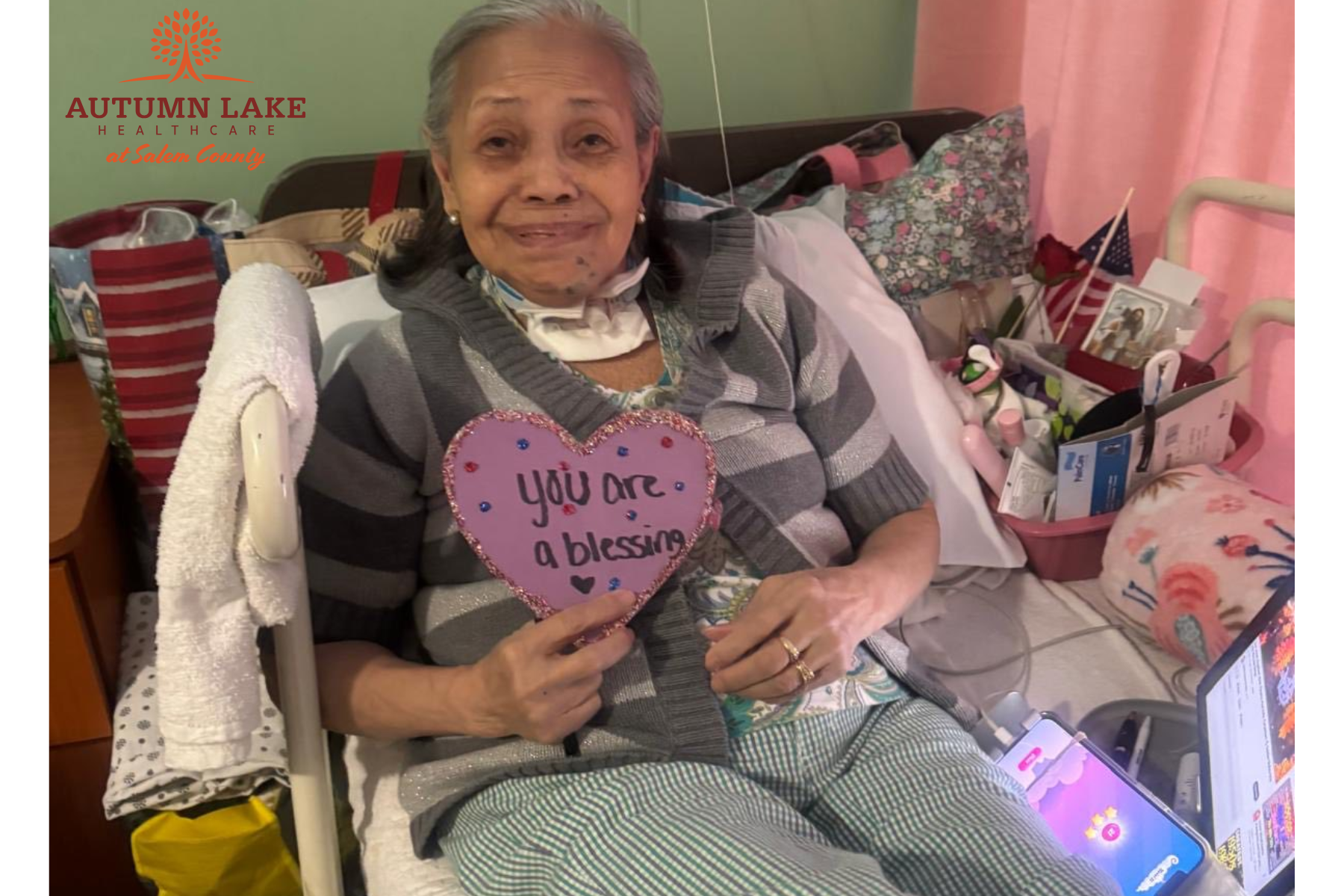
A senior living resident smiles from her bed while holding a purple heart-shaped.


Life During Recovery: Amenities and Environment

The environment plays a massive role in mental health and neurological healing. When seeking nursing home & elder care in Salem, NJ, look for a setting that balances clinical rigor with residential comfort. Our facility is designed to feel like a community, featuring:

  • Spacious private & semi-private rooms
  • Complimentary cable & WiFi to stay connected with family
  • Private courtyard and garden for fresh air and “nature therapy.”
  • Fine dining with a variety of menu selections
  • On-site beauty salon to help patients feel like themselves again
  • Spacious Lounges for visits from friends in the Fenwick neighborhood
  • Daily Housekeeping & Laundry Service, so the focus remains on healing

For those who may eventually transition into assisted living in Salem, NJ, our social programs help maintain the cognitive engagement necessary for independent living.

Frequently Asked Questions

Is a Skilled Nursing Facility the same as a nursing home?

A SNF provides the same long-term care as a nursing home but adds specialized, short-term “skilled” medical and rehab services designed to transition a patient from the hospital back to home.

How long does stroke rehab usually last?

The timeline is unique to every survivor. Some stays last 2–3 weeks, while others require several months of professional care to regain full independence.

Can I switch from an SNF to an IRF later?

Yes. If a patient builds up enough stamina at a Skilled Nursing Facility, they may eventually transition to a more intensive program if the medical team deems it appropriate.

To Sum Up

Choosing the right path after a stroke is a significant responsibility. At Autumn Lake Healthcare at Salem-Manor, we combine clinical expertise with a heartbeat. Our board-certified specialists and dedicated nursing team ensure that your loved one is supported every step of the way.

Are you ready to see the difference that compassionate, expert care can make?

Visit us to schedule a tour of our private courtyard and garden, or call us today to discuss how we can support your family’s journey toward healing.

How Do I Know Whether It’s Better to Choose Skilled Nursing Care Versus Assisted Living for My Family Member?

A skilled nursing care center is a facility that provides 24/7 medical supervision and rehabilitation for individuals recovering from surgeries, injuries, or illnesses. Skilled nursing is suitable for individuals with complex medical needs requiring constant monitoring and care.

Assisted Living, on the other hand, is a living arrangement where individuals can receive help with daily tasks like bathing, dressing, and eating, but they do not require constant medical supervision. This option is ideal for people who remain relatively independent but need occasional assistance.

5 Key Elements of Skilled Nursing and Assisted Living Care

Understanding the differences between skilled nursing and assisted living can help you decide which is the best fit for your family member. Here are the 5 key elements to consider:

1. Level of Medical Care

  • Skilled Nursing Care: Provides 24/7 medical care and supervision, often including physical, speech, and occupational therapy.

  • Assisted Living: Offers help with daily living tasks but does not provide medical treatment or extensive rehabilitation.

2. Type of Care Needed

  • Skilled Nursing: For individuals who need constant medical monitoring and support, such as after a major surgery or a severe health decline.

  • Assisted Living: For individuals who need help with everyday tasks but can still live somewhat independently.

3. Cost

  • Skilled Nursing: Typically more expensive due to the high level of medical care, and it’s often covered by Medicare or Medicaid for short-term stays.

  • Assisted Living: Generally more affordable as it focuses on daily activities assistance, but most of the cost must be paid out of pocket.

4. Social Activities

  • Skilled Nursing: Limited social opportunities, as the focus is on medical treatment.

  • Assisted Living: Often offers a wide range of social activities, including fitness classes, arts and crafts, and outings.

5. Duration of Stay

  • Skilled Nursing: Often short-term, focusing on rehabilitation, but can be long-term for patients with chronic conditions.

  • Assisted Living: Typically long-term, providing continuous support for individuals who need help for daily tasks.

What is Skilled Nursing Care?

Often referred to as senior living in Salem, NJ, provides the highest level of medical care outside of a hospital. This option is typically recommended for individuals who have complex medical needs, chronic conditions, or are recovering from surgery, illness, or injury. Medical care facilities (SNFs) are staffed with registered nurses (RNs), licensed practical nurses (LPNs), and certified specialized care assistants (CNAs) who can provide around-the-clock care.

In skilled nursing care, your loved one will receive:

  • 24/7 medical supervision
  • Assistance with daily activities such as bathing, dressing, eating, and mobility
  • Specialized care for chronic conditions like heart disease, diabetes, or dementia
  • Physical therapy to support recovery from surgery or injury
  • Nutritional support to help manage dietary needs and preferences

What is Assisted Living?

Assisted living, on the other hand, is designed for individuals who can mostly care for themselves but need some help with certain daily tasks. Our care center in Salem, NJ offer a more independent lifestyle than skilled nursing care, while still providing support for activities like bathing, dressing, medication management, and meal preparation. These facilities tend to be more social and home-like, encouraging residents to maintain their independence while receiving just the right amount of assistance.

In an assisted living facility, your loved one will typically have:

  • Help with daily activities, such as medication reminders, housekeeping, and meal preparation
  • Social engagement opportunities through activities, events, and outings
  • Support for chronic conditions with help from trained caregivers
  • Private or semi-private apartments for a more independent living experience
  • Access to emergency care, but not around-the-clock medical supervision

Which Option is Right for Your Loved One?

Choosing between skilled nursing care and assisted living can be a tough decision, but here are some factors to consider when deciding what’s best for your loved one:

1. Medical Needs

If your family member has complex medical conditions that require 24/7 supervision, skilled nursing care may be the better choice. This could include conditions like dementia, Parkinson’s disease, or recovery from major surgeries. On the other hand, if your loved one is relatively healthy but needs some help with daily activities, assisted living might be a better fit.

2. Level of Independence

If your loved one enjoys maintaining their independence and just needs a little assistance here and there, assisted living might be the ideal choice. However, if they require more intensive medical care or have limited mobility, skilled nursing care would be the right option.

3. Social and Emotional Needs

Assisted living often has more social opportunities, with communal spaces for dining, activities, and social events. If your loved one values socializing and staying active, assisted living could be a good fit. Skilled nursing care also provides social interaction, but the focus is primarily on medical care and recovery.

4. Length of Stay

Skilled nursing care is often short-term, especially if it’s for rehabilitation after surgery or illness. However, it can also be long-term for individuals with chronic medical conditions that need ongoing monitoring. Assisted living is typically a long-term solution for those who need assistance with daily living but don’t have significant medical issues.

5. Costs and Payment Options

The cost of care can vary greatly between skilled nursing and assisted living, and financial considerations are often a key factor in decision-making. Salem NJ rehab generally costs more due to the high level of medical supervision required. Medicaid and Medicare may cover medical care, depending on your loved one’s needs, while assisted living may be covered by long-term care insurance or private pay options.


care center in Salem, NJ


Key Benefits of Skilled Nursing Care

  • 24/7 medical care: Nurses and doctors are available round the clock to manage complex medical needs.
  • Rehabilitation services: Physical, speech, and occupational therapy are often part of the rehabilitation process.
  • Chronic condition management: Skilled nursing homes are equipped to handle conditions like Alzheimer’s, diabetes, and heart disease.
  • Personalized care plans: Medical care facilities create customized care plans based on the specific needs of each resident.

Key Benefits of Assisted Living

  • Greater independence: Residents of assisted living can enjoy a more independent lifestyle with access to support when needed.
  • Social opportunities: Assisted living or nursing home and rehabilitation center in Salem, NJ offers a variety of social activities to keep residents engaged and active.
  • Affordable: Assisted living is often less expensive than skilled nursing care.
  • Focus on quality of life: The goal in assisted living is to maintain a high quality of life while providing necessary assistance.

How to Make the Right Decision

When it comes down to making a decision, take the time to assess the needs of your loved one. Consider their medical requirements, level of independence, and personal preferences. If your family member requires ongoing medical care and rehabilitation, skilled nursing care may be the best fit. If they’re still active and independent but need help with day-to-day activities, assisted living may be the ideal choice.

At our Salem rehab center, we understand that each person’s needs are unique. Our team of experts is here to help guide you through this decision-making process and ensure that your loved one gets the care they deserve.

To Sum Up

Choosing the right care option for your loved one is a crucial decision, and it’s important to understand all the available choices. Whether you’re considering skilled nursing care or assisted living, Autumn Lake Healthcare at Salem County is here to help. Our team of experts is dedicated to providing top-quality care for seniors, and we offer both assisted living and skilled nursing services tailored to the individual needs of each resident.

If you’re unsure which option is right for your family member, we invite you to contact us today for a consultation. Let us guide you through the decision-making process and ensure your loved one receives the care and attention they need.

Frequently Asked Questions,

What’s the difference between nursing homes and assisted living?
Nursing homes provide 24/7 medical care and supervision, while assisted living offers support for daily tasks but allows more independence.

Does Medicare cover skilled nursing care?
Medicare can cover skilled nursing care for a limited time after hospitalization, but long-term care is typically not covered.

Can I move from assisted living to skilled nursing care?
Yes, many facilities, including Autumn Lake Healthcare, offer both services, so residents can transition based on their changing needs.

What should I look for when choosing a care center?
Look for factors like the quality of care, facilities, staff qualifications, and the types of medical services offered.

How do I know if my loved one needs skilled nursing care or assisted living?
If your loved one has medical conditions requiring frequent attention, skilled nursing is the right choice. For more independent individuals needing only help with daily tasks, assisted living is ideal.

How Long Does the Rehabilitation Process Typically Take at a Facility Like Autumn Lake Healthcare?

Rehabilitation at Autumn Lake Healthcare in Salem County is a customized process aimed at helping individuals recover after surgery, injury, or illness. The duration of rehabilitation depends on various factors, including the type of treatment required and how the patient responds to therapy. On average, most patients stay for 3 to 4 weeks, but some may need more time for a full recovery.

5 Key Elements of the Rehabilitation Process

  1. Personalized Care Plans
    Each patient receives a tailored rehabilitation plan designed to meet their specific needs, whether it’s for orthopedic recovery, neurological rehabilitation, or post-surgery recovery.

  2. Comprehensive Therapy Services
    Patients engage in physical therapy, occupational therapy, and speech therapy, as needed. Therapy is administered multiple times a week to ensure consistent progress.

  3. 24/7 Medical Supervision
    Our experienced team of healthcare professionals provides continuous care, ensuring the safety and well-being of each patient throughout their rehabilitation.

  4. Patient Progress Monitoring
    We track each patient’s progress to adjust treatment plans and ensure that recovery is moving forward at a healthy pace.

  5. Support for Family Members
    We offer support and education for family members, helping them assist with the recovery process and prepare for a successful return home.

What Is Rehabilitation and Why Is It Important?

Rehabilitation plays a crucial role in helping individuals recover from illnesses, surgeries, or injuries. We offer a variety of rehab services to help our residents regain their strength, mobility, and confidence. These services include:

  • Physical Therapy (PT): Aimed at improving mobility, strength, and coordination. PT helps individuals recover from surgeries, fractures, or other physical limitations. 
  • Occupational Therapy (OT): Focuses on helping individuals regain the ability to perform daily activities like bathing, dressing, and cooking. 
  • Speech Therapy (ST): Helps individuals improve their communication, swallowing, and cognitive abilities following illness or injury. 

These restorative care services help residents regain their independence and overall well-being. But how long does it take to achieve recovery?

The Rehabilitation Process: What to Expect

The rehabilitation process begins as soon as a resident is admitted to our Salem place nursing home. Each individual is assessed by our experienced team, who will develop a customized plan based on the resident’s unique needs. The healing process typically follows these stages:

1. Initial Assessment and Goal Setting

The first step in the healing process is the initial assessment. Our therapists evaluate the individual’s condition, medical history, and personal goals. This helps our team create a personalized reconditioning plan that focuses on the resident’s specific needs and recovery targets.

2. Active Rehabilitation Phase

Once the goals are set, the active rehab phase begins. This phase involves intensive therapy aimed at improving mobility, strength, and independence. Depending on the type of therapy (PT, OT, or ST), sessions can last anywhere from 30 minutes to an hour, and may occur several times a week. The active phase is where the bulk of recovery takes place.

At our nursing home in Salem, NJ, we have a dedicated team with experience working with both short-term and long-term recovery residents. Our therapists employ a combination of traditional methods and innovative techniques to speed up recovery. However, the duration of this phase can vary based on factors such as the severity of the condition and the individual’s response to treatment.

3. Transition and Maintenance Phase

After the individual begins to show progress, the next step is the transition phase, which is focused on maintaining the improvements made during active rehabilitation. During this phase, the therapy sessions may become less frequent, but the focus remains on ensuring that the individual can maintain their independence.

For some residents, this phase may last weeks, while others may require ongoing therapy for several months. Regardless of the timeline, the goal is always to help the resident maintain their independence and quality of life.

Factors That Affect the Length of Rehabilitation

Several factors can impact how long rehab takes. These factors include:

Type of Injury or Illness

  • Minor injuries (e.g., sprains or minor fractures) may require less recovery time. 
  • Major surgeries (e.g., hip replacements, stroke recovery, or spinal injuries) generally require longer healing. 

Age and Overall Health

  • Older adults may take longer to recover from injuries and surgeries due to factors such as decreased bone density or slower healing. 
  • Individuals with chronic conditions like diabetes, heart disease, or neurological disorders may also experience slower progress during restoration. 

Level of Rehabilitation Required

  • If the individual requires only light therapy to regain basic mobility, the process may be relatively quick. 
  • On the other hand, severe injuries or complex surgeries may require intensive, long-term recovery. 

At our assisted living in Salem, NJ, we work with each resident to ensure that their rehab program is tailored to their specific needs, and we continuously monitor their progress to adjust the plan as necessary.


Salem place nursing home


What Does Success Look Like in Rehabilitation?

Rehab success is measured differently for each individual. While some may return home completely independent, others may require ongoing support. We focus on setting realistic goals aligned with the individual’s health, capabilities, and recovery targets. Success in healing isn’t just about physical recovery; it’s about helping individuals feel more confident in their ability to manage their lives independently.

A Closer Look at the Rehabilitation Center in Salem, NJ

As one of the premier rehabilitation centers in Salem, NJ offers a comprehensive range of rehab services to help individuals recover from various conditions. From post-surgical recovery to stroke rehab, our facility is equipped with the latest tools and staffed by skilled professionals who are committed to providing top-notch care.

We also offer specialized programs for those recovering from hip and knee replacements, stroke rehab, and cardiac recovery, among other conditions. Each healing program is personalized, ensuring that we address the unique needs of every individual in our care.

To Sum Up

At Autumn Lake Healthcare at Salem County, we pride ourselves on providing exceptional care to residents in need of rehabilitation, assisted living, and nursing home services. With our dedicated staff, state-of-the-art facilities, and personalized care plans, we are committed to helping residents achieve their fullest potential during rehab.

If you or a loved one is looking for a trusted nursing home, contact us today to learn more about how we can support your journey to recovery. Ready to get started? Reach out for a free consultation and tour of our facilities.

Frequently Asked Questions

1. How long does it take to recover from a hip replacement surgery in a nursing home?

  • Recovery typically takes about 6-12 weeks, depending on the individual’s overall health and progress during rehabilitation.

2. What types of therapy are included in rehabilitation programs?

  • We offer physical therapy, occupational therapy, and speech therapy, each aimed at addressing different aspects of recovery.

3. Can I visit my loved one during their rehabilitation?

  • Yes, we encourage family visits and involvement during rehabilitation to support the recovery process.

4. Is rehabilitation covered by insurance?

  • Many Medicare and Medicaid plans, as well as private insurance, will cover rehabilitation services. Please contact us for more information on insurance coverage.

5. How do I know if my loved one is ready to leave the rehabilitation center?

  • Our team will work closely with you and your loved one to determine when it’s appropriate to transition home, ensuring that they have the support they need to continue their recovery.

The Ultimate Guide to Social Activities in Nursing Homes: Keeping Residents Engaged and Happy

A Salem rehabilitation center is a healthcare facility that provides specialized services for patients recovering from illnesses, surgeries, or injuries. These centers offer physical, occupational, and speech therapies, aiming to improve the patient’s overall functional abilities and quality of life.

5 Key Elements of a Salem Rehabilitation Center

  1. Comprehensive Rehabilitation Services:
    Includes physical, occupational, and speech therapies tailored to individual needs.

  2. Skilled Nursing Care:
    Professional nursing staff available around the clock for medical monitoring and care.

  3. Personalized Treatment Plans:
    Custom rehabilitation programs are designed to achieve specific patient recovery goals.

  4. State-of-the-Art Equipment:
    Access to advanced medical equipment for therapy, mobility assistance, and monitoring.

  5. Patient-Centered Environment:
    Comfortable living spaces, communal areas, and a focus on social and recreational activities to aid in the recovery process.

What to Consider When Choosing a Senior Living Facility

Selecting the right facility for a loved one involves more than just considering their medical needs. Our team offers skilled care for individuals who require assistance with daily tasks, but the real difference lies in how the facility blends healthcare with social engagement. Creating an environment that supports both physical and emotional health is essential. The staff at Autumn Lake Salem is trained to provide high-quality care while offering residents numerous opportunities to stay socially connected, active, and mentally engaged.

The benefits of integrating social activities into care plans cannot be overstated. In a setting, residents enjoy a mix of recreational, educational, and therapeutic activities that contribute significantly to their overall quality of life. These activities ensure that residents are not just receiving medical treatment but are also participating in a community where they feel valued and involved.

Assisted Living vs. Skilled Nursing: What’s the Difference?

Understanding the differences between assisted living and skilled nursing care is vital when making the right decision for your loved one’s care. Assisted living facilities, which generally focus on helping with everyday activities such as meals, personal care, and medication management, do not provide the level of skilled medical care available in a rehabilitation center.

In a facility such as a Salem rehabilitation center, residents receive 24/7 professional care, designed for those with more complex health conditions or mobility limitations. While assisted living may focus on independence and self-directed activity, a skilled facility offers a more structured environment, where specialized care is coupled with activities designed to maintain cognitive function and physical health.

Social Engagement in Senior Living: Key Activities for Residents

Social engagement is not just a pleasant addition to daily life in a senior living facility; it is a crucial part of maintaining mental, emotional, and physical well-being. The approach to senior living involves integrating daily activities into the care routine. These activities are specifically designed to meet the needs of the residents while encouraging interaction, mental stimulation, and physical movement.

Programs such as games, group discussions, and creative arts help residents stay mentally sharp and engaged with others. Activities like chair yoga, walking groups, and even dance classes offer residents opportunities for physical activity, which has been shown to improve mobility, strength, and overall health. Moreover, creative programs like art therapy, music sessions, and crafts allow residents to express themselves in ways that enhance both emotional health and creativity.

Intergenerational programs are another exciting feature. By partnering with local schools and community organizations, residents have the chance to interact with younger generations, sharing stories, participating in craft projects, or simply enjoying each other’s company. These interactions foster a sense of community, connecting the older generation with younger individuals, which benefits both sides and keeps residents feeling young at heart.

Building a Socially Positive Environment in Senior Communities

Creating an environment that encourages participation is key to a fulfilling life in senior care. Staff are trained to understand the personal preferences of each resident and tailor activities to fit those interests. Whether a resident enjoys painting, bingo, or simply chatting with fellow residents, there is something for everyone. A personalized approach ensures that residents feel engaged and valued, contributing to their sense of belonging and happiness.

Family involvement plays a significant role in enhancing the social environment of senior living facilities. Autumn Lake Healthcare Salem NJ recognizes the importance of family connections and regularly invites relatives to participate in social events, including holiday celebrations, birthday parties, and craft workshops. Families who engage in these activities report seeing a noticeable improvement in the emotional well-being of their loved ones, as participation helps build stronger relationships.


autumn lake healthcare salem nj


The Importance of Social Activities for Health and Well-Being

Research has shown that regular social engagement is essential for maintaining cognitive health, reducing feelings of isolation, and even improving physical health. Activities in senior communities help mitigate the common challenges faced by older adults, including depression, loneliness, and cognitive decline. Socializing with peers and staff helps residents maintain emotional stability and provides a support network that encourages them to stay active.

Engagement in structured programs has been linked to improved memory, better physical mobility, and a greater sense of fulfillment. Residents not only have access to high-level medical care but also benefit from social programming that keeps them mentally and emotionally engaged. By balancing both aspects, residents live healthier, more enjoyable lives.

How Socialization Benefits Residents

Staying connected with others can significantly impact the quality of life for seniors. Regular interaction with peers and caregivers creates a sense of purpose and community. Whether through group activities, volunteer opportunities, or simply sharing meals, socializing helps combat isolation, which is often a significant concern for older adults.

For instance, residents at Autumn Lake Salem NJ enjoy a variety of ways to engage, from casual conversations during social hours to more organized events like arts and crafts. These activities not only serve as entertainment; they also provide mental stimulation, promote emotional well-being, and encourage physical activity.

Incorporating Technology to Enhance Social Connection

In today’s digital age, technology plays a pivotal role in helping seniors stay connected. Many facilities incorporate virtual visits, video calls, and online games to allow residents to stay in touch with their families, no matter where they are. These tools help reduce the feeling of isolation and ensure that residents maintain relationships with their loved ones, even from a distance.

Technology also allows residents to engage in activities that they may not be able to participate in physically. Virtual games, online group discussions, and even digital workshops ensure that the social engagement experience is not limited by physical barriers, further enhancing the quality of life for residents.

To Sum Up

When choosing the right care facility, it’s essential to consider not only medical care but also the opportunities for social engagement. Our nursing facility is not just a place where residents receive round-the-clock medical attention; it is a place where they can stay active, engaged, and emotionally fulfilled. The integration of medical care with structured social programs helps residents lead richer, more connected lives.

To learn more about the exceptional services offered at Autumn Lake Healthcare at Salem County, including their social engagement programs, contact us or schedule a tour.

Frequently Asked Questions

What are the benefits of social activities in senior living facilities?
Social activities help residents combat loneliness, maintain cognitive function, and improve their physical health through participation in games, exercise, and creative expression. These activities are tailored to the needs of each resident to maximize their engagement.

How can I tell if a senior living facility offers enough social programs for my loved one?
A good facility will offer a diverse range of structured and flexible social activities. Look for options like group games, physical activities, arts, and intergenerational events that keep your loved one connected and active. Autumn Lake Healthcare at Salem is known for its well-rounded activity programs that cater to different interests and abilities.

Can family members join social activities?
Absolutely! Many senior living facilities, including Salem nursing & rehabilitation center, encourage family participation in events like holiday celebrations, craft workshops, and games, which help build stronger connections between residents and their loved ones.

How Skilled Nursing Care Enhances Resident Comfort: A Glimpse into 24/7 Medical Support

Skilled nursing care enhances resident comfort by providing continuous medical monitoring, immediate pain management, and personalized clinical care that addresses needs the moment they arise. This 24/7 support framework eliminates the anxiety of waiting for off-site medical intervention, ensuring that both chronic conditions and acute symptoms are managed proactively to maintain a high quality of life.

The Clinical Foundation of Constant Comfort

When a resident requires a higher level of medical attention, the transition shouldn’t feel like a loss of independence. The true value of a skilled nursing environment is the “clinical safety net” that operates around the clock. Unlike traditional assisted living in Salem, where staff levels may not support complex medical interventions at 3:00 AM, skilled nursing is anchored by Registered Nurses (RNs) and Licensed Practical Nurses (LPNs). This means medication adjustments, vital sign monitoring, and respiratory support happen in real-time, preventing minor discomforts from escalating into stressful emergency room visits.

Comparing Care Levels: The Hierarchy of Support

To understand how constant care translates to daily ease, we must look at the specific resources available on-site. When families research nursing homes in Salem, NJ, they often prioritize the distinction between basic custodial care and advanced clinical oversight.

Feature Traditional Home Care 24/7 Skilled Nursing
Medical Response Dependant on 911/On-call Immediate On-site Team
Pain Management Scheduled/Limited Real-time Titration
Therapy Access Periodic Visits Daily Integrated Rehab
Safety Oversight Occasional Check-ins Continuous Monitoring

By centralizing these services, the resident is spared the physical toll of frequent transport to outside clinics. Everything from wound care to IV therapy is managed within the facility, preserving the resident’s energy for recovery.

Debunking the “Hospital-Lite” Myth

A common industry misconception is that a Salem nursing home must be cold and sterile to be medically effective. This myth suggests that “clinical excellence” and “home-like comfort” are mutually exclusive. In reality, modern skilled nursing functions as a “clinical sanctuary.” The goal is to strip away the frantic energy of an acute-care hospital and replace it with a rhythmic, predictable approach to healing. Medical equipment is integrated discreetly into the environment, ensuring that the setting feels supportive rather than institutional.


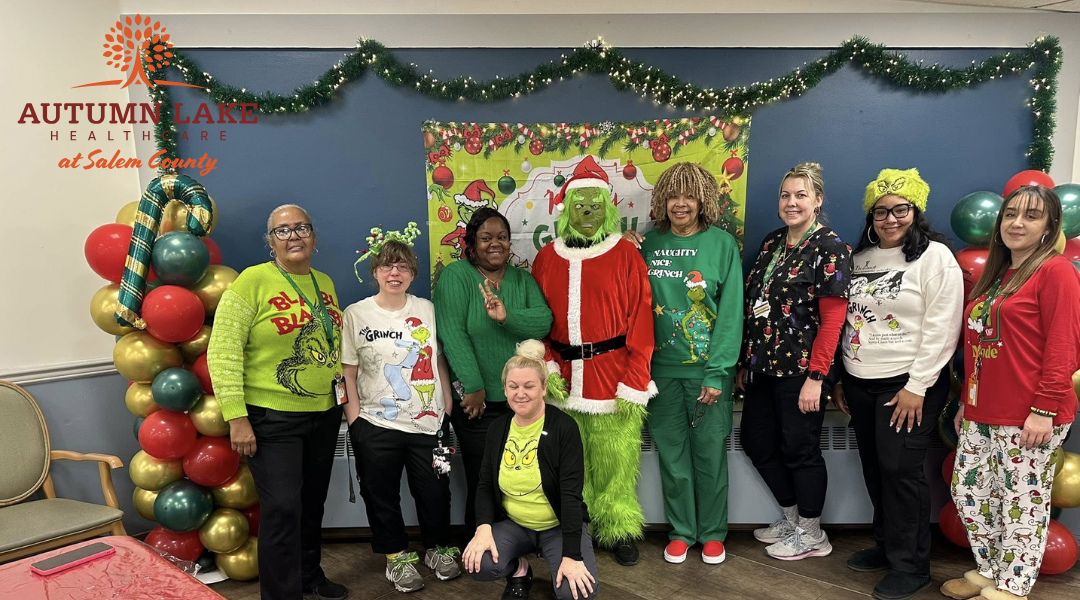
A nursing home resident smiling while posing for a photo with a person dressed in a Grinch costume.


Integrating the Autumn Lake Wellness Blueprint

Our approach is defined by the Autumn Lake Wellness Blueprint, a proprietary standard that merges high-acuity medical care with hospitality-grade living. Our newly-renovated facility includes a peaceful, modern lobby and a cutting-edge therapy room that promotes wellness and recovery in a joyful atmosphere. In addition to sub-acute rehabilitation, we are known for our excellence in long-term care, providing round-the-clock skilled nursing for a wide range of complex medical conditions. This blueprint ensures that residents don’t just “receive care”—they thrive in an environment designed for dignity.

When evaluating nursing homes in Salem, this blueprint is what defines the daily experience. We recognize that a delightful dining experience is essential for mental health; residents can choose to join us in our social dining room or enjoy a meal in the privacy of their own room. The physical manifestation of this blueprint includes:

  • Spacious private & semi-private rooms for personal retreat.
  • Complimentary cable & WiFi to maintain social connections.
  • A private courtyard and garden for fresh air and reflection.
  • Fine dining with a variety of menu selections.
  • On-site beauty salon for personal grooming and confidence.
  • Spacious Lounges for community engagement.
  • Daily Housekeeping & Laundry Service to remove the burden of chores.

Predictive Comfort and Clinical Precision

Beyond the physical amenities, 24/7 nursing allows for predictive care. While most Salem nursing homes respond to pain after a resident asks for help, a 24/7 skilled environment monitors for the “early signals” of distress. Whether it is a change in gait during a walk to the dining room or a slight shift in oxygen saturation, nurses intervene before the resident even feels the onset of discomfort. This proactive stance reduces the physiological stress on the body, which is critical for those recovering from surgery or managing cardiac conditions.

Financial Peace of Mind and Accessibility

The complexity of medical billing shouldn’t add to the stress of recovery. Our administrative team works to ensure that families can focus on their loved one’s progress rather than paperwork. We accept Medicare, Medicaid, most insurances, and private pay, providing a transparent path to elite care. This accessibility ensures that high-quality skilled nursing remains a viable option for the community, regardless of the complexity of the medical condition or the length of the stay.

Frequently Asked Questions

Q: What makes skilled nursing different from a hospital stay?

A: While both offer 24/7 medical care, hospitals focus on acute crisis stabilization. Skilled nursing is designed for longer-term recovery and chronic disease management in a residential setting that includes social activities and personalized therapy.

Q: Can residents choose their own daily schedule?

A: Yes. While medical treatments follow a clinical schedule, residents have autonomy over their dining choices, social participation, and use of amenities like the beauty salon or private courtyard.

Q: Is 24/7 nursing only for end-of-life care?

A: No. Many residents utilize 24/7 skilled nursing for “sub-acute” care, which is a short-term, intensive rehabilitation period following a surgery or injury, to return home.

To Sum Up

Choosing a care partner is a significant decision. At Autumn Lake Healthcare at Salem, we combine elite 24/7 medical supervision with the premier amenities your loved one deserves. From our private courtyard to our cutting-edge therapy suite, we invite you to see how we are redefining the standard for care in the community.

Ready to learn more? Visit us today to schedule a tour and discover a community where clinical excellence meets genuine comfort.

What Happens After Rehab Ends: How Autumn Lake Supports Your Transition Back Home or Extends Care if Needed

After short-term rehab ends, patients either transition home with a customized discharge plan (including home health or outpatient therapy) or transition to extended care if additional recovery is required. This process involves a clinical evaluation of safety, mobility, and medical stability to ensure a seamless continuum of care.

The Path Forward: Understanding the Discharge Process

The transition out of sub-acute rehabilitation is a milestone, but it requires a meticulous clinical strategy to prevent setbacks. At Autumn Lake, we believe the highest quality rehab care in Salem, NJ, is defined by the stability of the patient long after they leave our doors. Our clinical team begins planning for your departure the moment you are admitted, identifying potential hurdles, from medication management to home accessibility, well in advance to ensure a seamless handoff.

Whether you are returning to a quiet street in a local neighborhood or moving into a more supported environment, our goal is to ensure you feel empowered. This proactive approach includes rigorous “functional independence” tests conducted by our physical and occupational therapists. We evaluate your ability to navigate stairs and perform daily tasks safely, ensuring that your return home is backed by data-driven confidence rather than guesswork.

The Pillars of a Safe Discharge

  • Home Safety Evaluation: We work with families to identify potential hazards, such as loose rugs or inadequate lighting, that could lead to falls.
  • Care Coordination: Our Social Services team acts as a bridge, arranging for medical equipment like walkers or hospital beds to be delivered before you arrive.
  • Caregiver Education: We train the support system, providing hands-on instruction on wound care, medication schedules, and mobility assistance.
  • Clinical Communication: We ensure your local doctor receives a full transcript of your progress to eliminate gaps in your medical history.

Transitioning Home vs. Extended Care: A Side-by-Side Comparison

Deciding between returning home and staying for extended care is a clinical decision made in partnership with the patient, their family, and the medical team. While many strive for immediate independence, some complex medical conditions require the sophisticated, round-the-clock oversight found in nursing homes in Salem, NJ.

Feature Transitioning Home Extended Care / Long-Term
Medical Necessity Medically stable; requires minor assistance. Requires 24/7 nursing or complex wound care.
Therapy Frequency Outpatient or 2–3 times per week at home. Intensive, daily on-site rehabilitation.
Environment Private residence with family support. Specialized facility with clinical supervision.
Primary Goal Maintaining community independence. Stabilizing chronic or complex conditions.

For those in local neighborhoods who find that a private residence is not yet a safe environment, the transition to extended care provides a vital safety net. This ensures that the physical gains made during short-term rehab aren’t lost due to a lack of professional supervision at home.


A senior living resident smiling and wearing a sun hat and floral lei in front of a blue water backdrop.


Debunking the Myth: “Rehab Ends When Insurance Days Run Out”

A common industry misconception is the belief that a patient must be discharged the moment their “covered days” are exhausted. In reality, clinical readiness, not just a calendar date, is the compass that guides care. While navigating insurance is a logistical reality, the best Salem rehab care providers focus on functional milestones rather than administrative deadlines.

If a patient is not yet safe to return to their residence, our team explores every available avenue, including Medicare, Medicaid, and private pay options. We advocate for the patient’s health to ensure the recovery journey continues until a safe discharge is achievable. A premature departure often leads to hospital readmission, which is why we prioritize clinical stability over arbitrary timelines.

Our Recovery Atmosphere: Healing Through Hospitality

At Autumn Lake, we solve the “transition anxiety” by integrating high-end hospitality with clinical excellence. Our newly-renovated facility includes a peaceful, modern lobby and a cutting-edge therapy room that promotes wellness and recovery in a joyful atmosphere. In addition to sub-acute rehabilitation, we are known for our excellence in long-term care, providing round-the-clock skilled nursing for a wide range of complex medical conditions.

Patients enjoy a delightful dining experience and can choose to join us in our dining room or to stay in the privacy of their own room. This approach bridges the gap between a clinical facility and the comforts found in rehab homes in Salem. Our environment is specifically designed to reduce the psychological stress of recovery through:

  • Spacious private & semi-private rooms with daily housekeeping and laundry service.
  • Complimentary cable & WiFi to keep you connected to your local community.
  • Private courtyard and garden for fresh air and mental clarity.
  • Fine dining with a variety of menu selections and an on-site beauty salon.
  • Spacious Lounges for socializing with peers and family.

By fostering a “joyful atmosphere,” we improve patient engagement in therapy, which is often the catalyst for a faster return to the neighborhood.

Preparing Your Home for a Successful Return

If the decision is made to return home, preparation is the final step in a successful recovery. Choosing the right partner among Salem nursing homes & elder care providers means choosing a team that prepares your physical environment as thoroughly as your physical body. We recommend clearing all trip hazards, increasing hallway lighting, and setting up a temporary “main floor” living space to avoid stairs during the initial weeks.

Frequently Asked Questions

How long does the average stay in short-term rehab last?

Most patients stay between 2 and 4 weeks. The exact duration depends on your specific surgical recovery goals and your progress in hitting mobility milestones.

What happens if I’m not ready to go home but my insurance stops paying?

Our Social Services team assists in navigating transitions. Options may include applying for Medicaid, utilizing private pay, or adjusting the care plan to a level of service that meets insurance criteria while keeping you safe.

Can I tour the therapy room before my surgery?

Yes. We encourage residents to visit our modern lobby and cutting-edge therapy rooms to see the environment where their recovery will take place.

To Sum Up

At Autumn Lake Healthcare at Salem County, we provide a bridge to your future. Our commitment to excellence in both sub-acute and long-term care ensures that you receive the dignified, high-tech care you deserve.

Ready to plan your recovery? Visit us to schedule a tour of our newly-renovated facility.

Personalized Assistance for Everyday Life: A Guide to Our Care Plans and How We Help Residents Live Comfortably

Personalized care plans support independent senior living by providing tailored assistance, such as medication management, mobility support, and daily task aid, only where specifically needed. This “assistance-on-demand” model eliminates the burden of strenuous chores while preserving a resident’s autonomy, allowing them to focus on social engagement and personal passions rather than physical limitations.

The Evolution of Resident-Centered Support

For many seniors, the transition to a managed care environment is met with a common fear: the loss of self-determination. However, modern care philosophy has shifted the focus from “doing for” the resident to “empowering” the resident. By identifying specific friction points in a person’s daily routine, care teams can provide the exact level of intervention required to keep a senior active and engaged.

In many nursing homes in Salem, NJ, the traditional model often prioritized clinical efficiency over personal preference. Today, the gold standard involves a collaborative approach where the resident and their family are architects of the care plan. This ensures that help with laundry or housekeeping doesn’t feel like an imposition, but rather a luxury that frees up time for more meaningful pursuits.

The Core Components of a Resident-First Care Plan

To understand how these plans function, we must look at the specific pillars of support. A truly personalized plan is never “one size fits all.” It is a living document that evolves as the resident’s needs change, ensuring they are never over-assisted or under-supported.

Comparing Levels of Assistance

Feature Basic Support Enhanced Personal Care Comprehensive Care
Ideal For Independent residents needing “light” help. Residents requiring help with 1-2 ADLs. Residents needing 24/7 oversight.
Typical Services Housekeeping & Meal Prep Bathing & Dressing Support Full Medical Coordination
Autonomy Level High / Self-Directed Moderate / Collaborative Supported / Guided

Choosing the right level of care is essential for maintaining dignity. Whether you are looking for a short-term recovery stay or a long-term home, finding a high-quality rehabilitation center in Salem, NJ involves looking for facilities that prioritize these nuanced levels of care rather than a blanket approach to resident services.

5 Ways Customized Support Enhances Daily Comfort

  1. Elimination of “Decision Fatigue”: Managing health logistics, home maintenance, and meal planning is exhausting. When these are handled by a professional team, residents regain the mental energy to focus on hobbies and social life.
  2. Proactive Health Monitoring: Personalized care means having eyes on a resident’s wellness daily. Small changes in gait, appetite, or mood are caught early, preventing the “crisis mode” often seen in home-care settings.
  3. Social Integration: Isolation is a leading cause of cognitive decline. Personalized plans often include social opportunities, ensuring residents are introduced to clubs and events that match their specific interests.
  4. Nutritional Precision: Comfort starts with a delightful dining experience. Residents can choose to join neighbors in the dining room or stay in the privacy of their own room, with menu selections tailored to both medical needs and personal cravings.
  5. Environmental Safety: By managing daily housekeeping and laundry service, the care plan removes the physical hazards of home maintenance, such as climbing stools or carrying heavy baskets, which are leading causes of falls.


A staff member assisting a nursing home resident with a seasonal craft activity at a table.


Debunking the Myth: “Care Plans Equal a Loss of Freedom”

A common industry misconception is that “signing up for a care plan” is the first step toward losing one’s independence. In reality, the opposite is true. When a resident struggles for three hours to clean their apartment or manage complex medication schedules, they aren’t “free”, they are effectively trapped by their chores.

A personalized care plan acts as a freedom-enabler, removing the obstacles that prevent a resident from living their best life. This is why a premier nursing home and rehabilitation center in Salem, NJ focuses on wellness-driven recovery. By taking the weight of physical strain off the resident’s shoulders, they are granted the freedom to attend a garden party in the private courtyard or spend an afternoon in the on-site beauty salon.

Implementing Our Comprehensive Wellness Environment

In our community, we believe that the environment is just as important as the clinical care provided. Our newly-renovated facility includes a peaceful, modern lobby and a cutting-edge therapy room that promotes wellness and recovery in a joyful atmosphere. In addition to sub-acute rehabilitation, we are known for our excellence in long-term care, providing round-the-clock skilled nursing for a wide range of complex medical conditions.

This commitment to total well-being ensures that every resident, whether here for a short stay or a permanent home, enjoys the following amenities as part of their daily life:

  • Spacious private & semi-private rooms for personal sanctuary.
  • Complimentary cable & WiFi to stay connected with loved ones in nearby neighborhoods.
  • Private courtyard and garden for fresh air and outdoor relaxation.
  • Fine dining with a variety of menu selections to suit every palate.
  • Spacious Lounges designed for community building and relaxation.
  • On-site beauty salon for professional grooming and self-care.

Life in the Local Community

When families search for assisted living in Salem, they aren’t just looking for a room; they are looking for a lifestyle. Our residents often comment on how the local atmosphere contributes to their healing. During a recent audit of resident satisfaction for a firm, it was noted that the ability to transition seamlessly from clinical therapy to social recreation was the number one factor in resident happiness.

Whether a resident is recovering from surgery or requires ongoing medical supervision, the goal is always the same: to make the facility feel like a home. By offering daily housekeeping, laundry services, and on-site amenities, we ensure that the focus remains on “living” rather than “maintenance.” This level of detail is what distinguishes the top nursing homes in Salem, NJ from standard care facilities.

Financial Peace of Mind

Navigating the costs of personalized care can be daunting for families. To ensure our services remain accessible to the community, we accept Medicare, Medicaid, most insurances, and private pay. Our administrative team works closely with families to explain how these plans are structured, ensuring that the focus stays on the resident’s comfort rather than paperwork.

Frequently Asked Questions

What is the difference between a care plan and a medical chart?

A medical chart tracks history and treatments, whereas a care plan is a proactive roadmap for daily life. It includes social preferences, dietary likes/dislikes, and specific goals for independence.

How often are personalized care plans updated?

Typically, care plans are reviewed every 30 to 90 days, or immediately following any significant change in a resident’s health status, to ensure the level of support remains appropriate.

Can residents change their minds about the services they receive?

Yes. Autonomy is the core of personalized care. Residents and their families can request meetings to adjust the frequency or type of assistance provided at any time.

To Sum Up

At Autumn Lake Healthcare at Salem County, we combine clinical excellence with the warmth of a true home. Our team is dedicated to helping you or your loved one live with dignity, joy, and the perfect balance of support.

Experience the difference of a personalized care plan today. Schedule a tour today!

Securing Peace of Mind: How Long-Term Care Homes Ensure the Safety and Well-Being of Vulnerable Residents

Long-term care homes ensure resident safety through a multi-layered approach involving 24/7 clinical monitoring, rigorous staff background checks, secure architectural design, and personalized care plans. These facilities integrate standardized health protocols with emotional wellness programs to protect the physical and mental health of vulnerable seniors while providing a secure, supportive environment.

The Foundation of Resident Protection: Clinical Oversight

When a loved one transitions into a professional care setting, the primary concern for any family is the consistency of medical supervision. High-quality facilities utilize a proactive medical model where registered nurses and licensed practical nurses are on-site around the clock. This ensures that even subtle changes in a resident’s health, such as a slight change in gait or a minor respiratory shift, are addressed before they escalate into emergencies. For those researching rehab homes in Salem, this level of clinical vigilance is what distinguishes a standard facility from a center of excellence.

24/7 Safety Protocols: A Comparison of Care Levels

Safety is not a one-size-fits-all concept. A resident recovering from hip surgery has different security needs than a resident living with advanced Alzheimer’s. Understanding these nuances is the first step toward securing true peace of mind.

Safety Feature Assisted Living Skilled Nursing (LTC) Memory Care Units
Staffing Ratio Moderate High (RNs/LPNs onsite) Highest (Specialized)
Monitoring Emergency pull-cords Frequent clinical rounds Constant visual & GPS
Medication Self-managed or assisted Full nurse administration Full nurse administration
Environmental Standard accessibility Medical-grade safety Locked/Secured perimeters

During recent safety walkthroughs for families seeking rehab in Salem, NJ, we’ve noted that the most successful outcomes occur when the environment is tailored to the specific mobility restrictions of the individual.

5 Essential Pillars of Resident Well-Being

To maintain a high quality of life, top-tier facilities follow a structured framework to ensure no resident is overlooked.

  1. Comprehensive Risk Assessments: Upon admission, residents undergo fall risk, skin integrity, and cognitive evaluations to create a baseline for care.
  2. Integrated Health Technology: Use of smart beds and wearable sensors to detect unusual movement or changes in vitals in real-time.
  3. Strict Infection Control: Implementation of high-grade sanitation protocols and localized health monitoring to prevent the spread of seasonal illnesses.
  4. Social Engagement Programs: Curated activities designed to prevent the cognitive decline and depression often associated with senior isolation.
  5. Environmental Optimization: Anti-scald plumbing, non-slip flooring, and specialized lighting to reduce agitation and prevent accidents.

Families often compare these pillars when looking at assisted living in Salem, NJ, seeking a balance between a home-like atmosphere and the ironclad security of a medical institution.


A senior living resident waving while wearing a festive scarecrow hat and wristband.


Our Standard: The Autumn Lake Wellness Environment

At the heart of our mission is a specialized approach to care that transcends standard nursing. Our newly-renovated facility includes a peaceful, modern lobby and a cutting-edge therapy room that promotes wellness and recovery in a joyful atmosphere. This environment isn’t just about aesthetics; it is a clinical tool designed to reduce stress and accelerate healing.

In addition to sub-acute rehabilitation, we are known for our excellence in long-term care, providing round-the-clock skilled nursing for a wide range of complex medical conditions. Our residents enjoy a delightful dining experience and can choose to join us in our communal dining room or to stay in the privacy of their own room. This framework is built upon premium amenities that support mental health:

  • Spacious private & semi-private rooms for personal dignity.
  • Complimentary cable & WiFi to keep residents connected to the outside world.
  • Private courtyard and garden for safe, outdoor sensory experiences.
  • On-site beauty salon to boost self-esteem and maintain personal routines.
  • Daily Housekeeping & Laundry Service to ensure a sterile and dignified living space.

Whether a resident is here for a short-term stay or permanent residency, our model ensures that every logistical need, from fine dining with a variety of menu selections to complex medical management, is handled with precision. This is particularly vital for those browsing Salem assisted living options, where the quality of the physical environment directly impacts the resident’s psychological well-being.

Debunking the Myth: “Safety Means a Loss of Independence”

A common industry misconception is that a “safe” environment must be a restrictive, clinical one. Many families fear that ensuring the safety of a vulnerable resident requires “locking them down” or stripping away their autonomy.

The Reality: Modern long-term care focuses on “Positive Risk Management.” Instead of preventing a resident from moving to ensure they don’t fall, top-tier Salem nursing homes & elder care providers use Human-Centric Design. This includes “wayfinding” (using colors and landmarks to help navigation) and secure outdoor gardens. Safety is achieved through smart environment design and high staffing levels, allowing residents the freedom to explore their home without compromising their physical security.

Financial Accessibility and Peace of Mind

Securing high-quality care shouldn’t be an insurmountable financial burden. To ensure our community remains accessible to those who need it most, we accept Medicare, Medicaid, most insurances, and private pay. This flexibility allows families to focus on their loved one’s recovery rather than navigating complex billing cycles alone. Our administrative team works directly with providers to maximize benefits, ensuring that the transition into long-term care is as seamless as possible.

Frequently Asked Questions

How do long-term care homes prevent falls?

Facilities use a combination of frequent rounding, non-slip flooring, bed alarms, and regular physical therapy to strengthen resident mobility and balance.

What is the difference between skilled nursing and assisted living?

Skilled nursing provides 24/7 medical care by licensed nurses for complex conditions, while assisted living is designed for individuals who need help with daily tasks (like bathing or dressing) but do not require constant medical intervention.

How is resident medication managed?

In a skilled nursing environment, all medications are administered by licensed nurses who follow strict “five rights” protocols (right patient, drug, dose, route, and time) to prevent errors.

Can residents bring their own furniture?

Most facilities encourage residents to bring personal items like photos and small pieces of furniture to make their private or semi-private rooms feel more like home.

To Sum Up

At Autumn Lake Healthcare at Salem County, we believe that safety is the foundation upon which a joyful life is built. From our cutting-edge therapy rooms to our peaceful private courtyards, every inch of our facility is designed to provide the highest level of skilled nursing in an atmosphere of warmth and dignity.

Are you ready to see how we prioritize your loved one’s safety and happiness?

Schedule a Tour of Our Newly Renovated Facility Today!

Understanding the Difference: Short-Term Rehab vs. Long-Term Living at Autumn Lake

The primary difference between short-term rehab and long-term care is the clinical goal and the expected duration of stay. Short-term rehabilitation is a high-intensity, temporary program designed to help patients recover from surgery or illness and return home, whereas long-term care provides permanent, 24/7 skilled nursing support for individuals with chronic conditions who can no longer live independently.

Defining the Two Paths of Clinical Care

When a loved one faces a health transition, the terminology can feel overwhelming. You might hear doctors discuss “sub-acute care,” “skilled nursing,” or “rehabilitative therapy.” At its core, the decision comes down to whether the individual needs a functional bridge to get back to their previous life or a permanent residence that offers a higher level of medical safety. For families researching nursing homes in Salem, NJ, it is important to realize that modern facilities are sophisticated medical environments capable of handling complex recovery trajectories while offering a community-focused lifestyle.

Short-Term Rehabilitation: The Goal of Independence

Short-term rehab is typically an extension of a hospital stay. If you or a family member has undergone a hip replacement, cardiac surgery, or is recovering from a stroke, a rehabilitation center in Salem, NJ, provides the intensive physical, occupational, and speech therapy required to regain functionality. This model is built on high-intensity schedules where patients work toward specific milestones to ensure they can safely return to their own residence.

Long-Term Living: The Goal of Quality of Life

Conversely, long-term living is for those whose medical needs have surpassed what can be managed at home. This transition often occurs when a chronic illness, such as advanced Parkinson’s or heart failure, requires round-the-clock monitoring by licensed clinicians. Choosing a nursing home and rehabilitation center in Salem, NJ, ensures that the resident has immediate access to medical intervention while enjoying a social, structured environment that prioritizes dignity and comfort.


A staff member and a resident at a nursing home smiling together during an outdoor event.


The Autumn Lake Standard: Our Proprietary Care Model

We believe that the environment is a vital component of the clinical outcome. Our newly-renovated facility includes a peaceful, modern lobby and a cutting-edge therapy room that promotes wellness and recovery in a joyful atmosphere. In addition to sub-acute rehabilitation, we are known for our excellence in long-term care, providing round-the-clock skilled nursing for a wide range of complex medical conditions.

A central pillar of our approach is providing a delightful dining experience where residents can choose to join us in our dining room or stay in the privacy of their own room. This philosophy extends into our suite of high-end amenities designed to make a care center in Salem, NJ, feel like a true home:

  • Spacious private & semi-private rooms with modern finishes.
  • Complimentary cable & WiFi to maintain family connections.
  • Private courtyard and garden for outdoor therapy and relaxation.
  • Fine dining featuring a variety of menu selections.
  • On-site beauty salon for grooming and self-care.
  • Spacious Lounges for hosting family visits or community events.
  • Daily Housekeeping & Laundry Service to remove the burden of chores.

By combining these luxuries with 24/7 medical oversight, we ensure that senior living in Salem, NJ, is defined by vitality rather than just clinical maintenance. We accept Medicare, Medicaid, most insurances, and private pay to ensure our services remain accessible to our neighbors in the community.

The Comparison Guide

Feature Short-Term Rehabilitation Long-Term Care (Nursing Home)
Primary Goal Recovery and discharge home. Management of chronic health needs.
Typical Stay Days to several weeks. Permanent or indefinite residency.
Therapy Frequency High-intensity (often daily). Maintenance-based or as needed.
Room Style Clinical focus on mobility. Personalized residential setting.

Industry Myth: “Rehab is Just a One-Way Trip”

A common misconception is that once a senior enters a skilled nursing facility for rehab, they will never return home. In reality, the modern clinical model is built on “Discharge Planning” from the first day of admission. Many residents who live in neighborhoods near Mannington or Quinton come to us specifically for a “tune-up” after a fall. Our goal is to restore the strength required for you to return to your garden and your porch as quickly as possible.

Frequently Asked Questions

How long does a typical short-term rehab stay last?

Most patients stay between 20 and 100 days, depending on their progress and their physician’s recommendations for safe discharge.

Can a short-term rehab patient transition into long-term care?

Yes. If a patient’s condition evolves and they no longer meet the safety criteria to live alone, our team facilitates a seamless transition into our long-term care program.

Does Medicare pay for long-term care?

Medicare typically covers acute, rehabilitative care following a hospital stay. Long-term “custodial” care is generally funded through Medicaid, private insurance, or personal funds.

To Sum Up

Choosing the right path for recovery is a significant decision for any family. Whether you are looking for a short-term bridge back to health or a permanent, supportive community for a loved one, our team is ready to provide the professional guidance you need.

Experience our newly-renovated facility firsthand. Visit us to schedule a tour and see how we redefine care.