
The primary difference between short-term rehab and long-term care is the clinical goal and the expected duration of stay. Short-term rehabilitation is a high-intensity, temporary program designed to help patients recover from surgery or illness and return home, whereas long-term care provides permanent, 24/7 skilled nursing support for individuals with chronic conditions who can no longer live independently.
Defining the Two Paths of Clinical Care
When a loved one faces a health transition, the terminology can feel overwhelming. You might hear doctors discuss “sub-acute care,” “skilled nursing,” or “rehabilitative therapy.” At its core, the decision comes down to whether the individual needs a functional bridge to get back to their previous life or a permanent residence that offers a higher level of medical safety. For families researching nursing homes in Salem, NJ, it is important to realize that modern facilities are sophisticated medical environments capable of handling complex recovery trajectories while offering a community-focused lifestyle.
Short-Term Rehabilitation: The Goal of Independence
Short-term rehab is typically an extension of a hospital stay. If you or a family member has undergone a hip replacement, cardiac surgery, or is recovering from a stroke, a rehabilitation center in Salem, NJ, provides the intensive physical, occupational, and speech therapy required to regain functionality. This model is built on high-intensity schedules where patients work toward specific milestones to ensure they can safely return to their own residence.
Long-Term Living: The Goal of Quality of Life
Conversely, long-term living is for those whose medical needs have surpassed what can be managed at home. This transition often occurs when a chronic illness, such as advanced Parkinson’s or heart failure, requires round-the-clock monitoring by licensed clinicians. Choosing a nursing home and rehabilitation center in Salem, NJ, ensures that the resident has immediate access to medical intervention while enjoying a social, structured environment that prioritizes dignity and comfort.
The Autumn Lake Standard: Our Proprietary Care Model
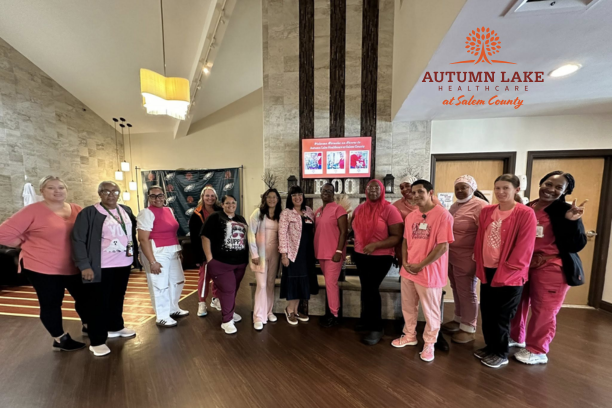
We believe that the environment is a vital component of the clinical outcome. Our newly-renovated facility includes a peaceful, modern lobby and a cutting-edge therapy room that promotes wellness and recovery in a joyful atmosphere. In addition to sub-acute rehabilitation, we are known for our excellence in long-term care, providing round-the-clock skilled nursing for a wide range of complex medical conditions.
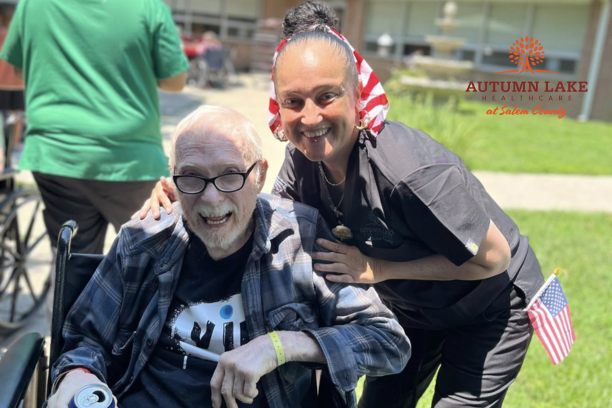
A central pillar of our approach is providing a delightful dining experience where residents can choose to join us in our dining room or stay in the privacy of their own room. This philosophy extends into our suite of high-end amenities designed to make a care center in Salem, NJ, feel like a true home:
- Spacious private & semi-private rooms with modern finishes.
- Complimentary cable & WiFi to maintain family connections.
- Private courtyard and garden for outdoor therapy and relaxation.
- Fine dining featuring a variety of menu selections.
- On-site beauty salon for grooming and self-care.
- Spacious Lounges for hosting family visits or community events.
- Daily Housekeeping & Laundry Service to remove the burden of chores.
By combining these luxuries with 24/7 medical oversight, we ensure that senior living in Salem, NJ, is defined by vitality rather than just clinical maintenance. We accept Medicare, Medicaid, most insurances, and private pay to ensure our services remain accessible to our neighbors in the community.
The Comparison Guide
| Feature | Short-Term Rehabilitation | Long-Term Care (Nursing Home) |
| Primary Goal | Recovery and discharge home. | Management of chronic health needs. |
| Typical Stay | Days to several weeks. | Permanent or indefinite residency. |
| Therapy Frequency | High-intensity (often daily). | Maintenance-based or as needed. |
| Room Style | Clinical focus on mobility. | Personalized residential setting. |
Industry Myth: “Rehab is Just a One-Way Trip”
A common misconception is that once a senior enters a skilled nursing facility for rehab, they will never return home. In reality, the modern clinical model is built on “Discharge Planning” from the first day of admission. Many residents who live in neighborhoods near Mannington or Quinton come to us specifically for a “tune-up” after a fall. Our goal is to restore the strength required for you to return to your garden and your porch as quickly as possible.
Frequently Asked Questions
How long does a typical short-term rehab stay last?
Most patients stay between 20 and 100 days, depending on their progress and their physician’s recommendations for safe discharge.
Can a short-term rehab patient transition into long-term care?
Yes. If a patient’s condition evolves and they no longer meet the safety criteria to live alone, our team facilitates a seamless transition into our long-term care program.
Does Medicare pay for long-term care?
Medicare typically covers acute, rehabilitative care following a hospital stay. Long-term “custodial” care is generally funded through Medicaid, private insurance, or personal funds.
To Sum Up
Choosing the right path for recovery is a significant decision for any family. Whether you are looking for a short-term bridge back to health or a permanent, supportive community for a loved one, our team is ready to provide the professional guidance you need.
Experience our newly-renovated facility firsthand. Visit us to schedule a tour and see how we redefine care.