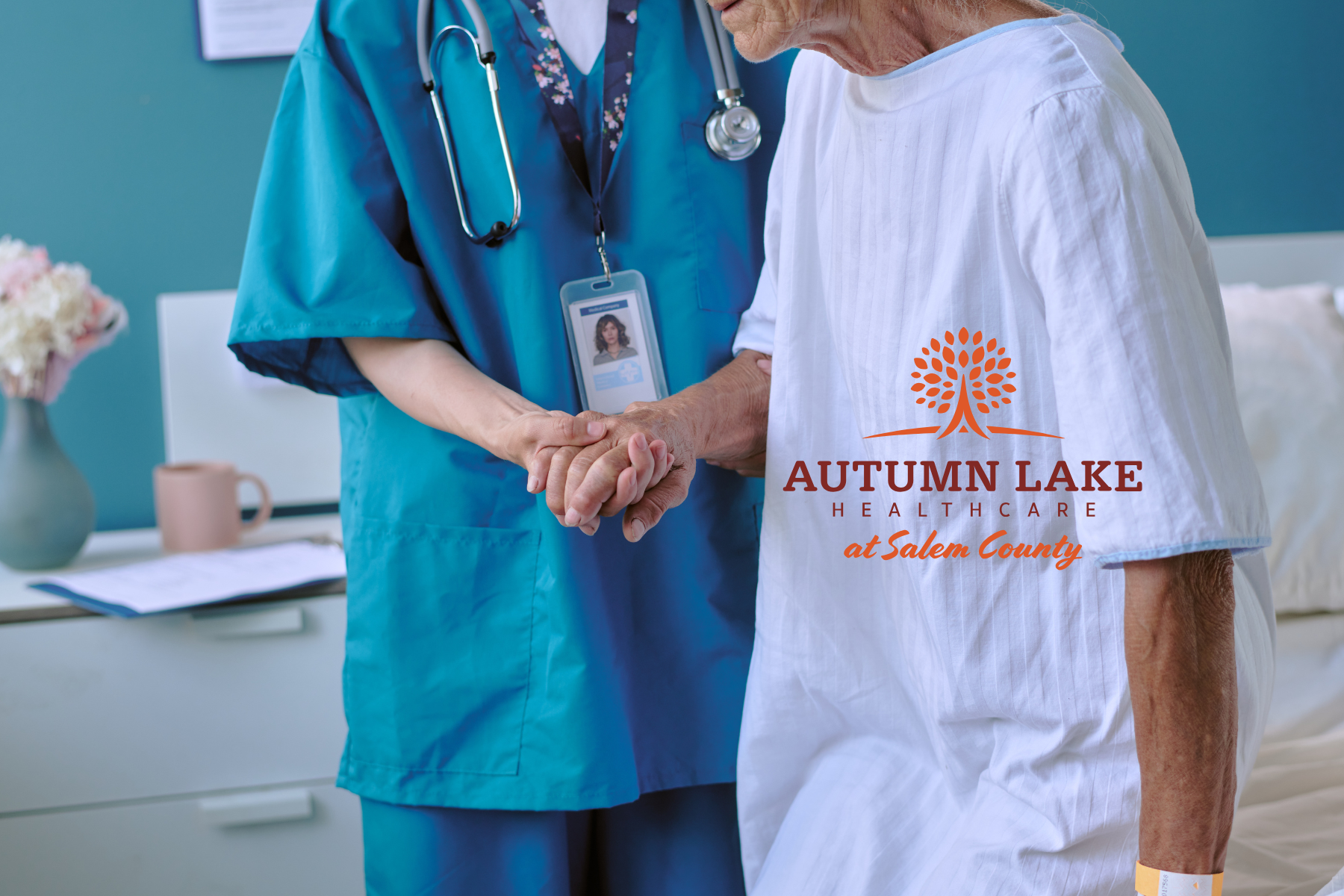
To choose between a Skilled Nursing Facility (SNF) and an Inpatient Rehabilitation Center (IRF) after a stroke, you must evaluate the patient’s clinical stability and physical stamina. Inpatient Rehab requires a rigorous three hours of daily intensive therapy, whereas a Skilled Nursing Facility provides a clinical “runway” for those needing 24/7 medical supervision and a more gradual recovery pace.
Essential Differences: SNF vs. IRF
The transition from a hospital bed to a recovery center is a pivotal moment in stroke care. While both facility types offer physical, occupational, and speech therapy, the structure of that care differs in intensity and physician oversight.
| Feature | Inpatient Rehabilitation Facility (IRF) | Skilled Nursing Facility (SNF) |
| Therapy Intensity | Minimum 3 hours per day (5–7 days/week). | Typically 1–2 hours per day, adjusted to tolerance. |
| Medical Supervision | Doctor visits 3+ times per week. | Weekly or monthly physician oversight. |
| Primary Goal | Rapid functional gains for immediate discharge. | Medical stabilization and steady recovery. |
| Length of Stay | Shorter (10–20 days on average). | Flexible (weeks to months as needed). |
For families researching nursing homes in Salem, NJ, it is vital to recognize that an SNF often provides a more comprehensive safety net. During a recent care audit for a family, we found that many patients achieve more sustainable long-term outcomes when they start in an SNF to build the foundational strength required for complex movement.
4 Critical Factors in Your Decision
When a discharge planner presents your options, use these benchmarks to guide your choice:
- Physical Endurance: A stroke exhausts the central nervous system. If a patient is fatigued after sitting up for 30 minutes, the 180-minute daily requirement of an IRF may cause a medical setback.
- Medical Complexity: Does the survivor have underlying conditions like heart disease or post-stroke infections? SNFs specialize in “round-the-clock skilled nursing” for these multifaceted needs.
- Insurance and Coverage: We accept Medicare, Medicaid, most insurances, and private pay. However, Medicare has strict “clinical necessity” guidelines for IRFs that can lead to coverage denials if a patient isn’t progressing at a specific high-speed rate.
- The Goal of Care: If the objective is a safe, supported transition rather than a high-speed sprint, an SNF offers a more nurturing environment.
Excellence in Long-Term Care: Our Care Philosophy
We are known for our excellence in long-term care, providing round-the-clock skilled nursing for a wide range of complex medical conditions. Our facility offers advanced care programs overseen by a team of in-house, board-certified specialists who understand that stroke recovery is rarely linear.
Our warm, caring staff is here to help every patient recover their health as fully and as comfortably as possible. Whether you are transferring from senior living in Linwood or coming directly from a regional hospital, we focus on the whole person. This includes a delightful dining experience where residents can choose to join us in our dining room for social connection or stay in the privacy of their own room.
Debunking the “Intensity Equals Quality” Myth
A common industry misconception is that a “higher level of care” always results in a better recovery. This “more is more” philosophy suggests that unless a patient is doing three hours of gym work, they aren’t “really” recovering.
In reality, for many stroke survivors, over-exertion leads to “neuro-fatigue,” which can stall progress. A Skilled Nursing Facility allows for a “low-and-slow” approach, providing 24/7 clinical monitoring to ensure the patient is medically stable before pushing physical limits. This patient-centered pacing often prevents the hospital readmissions that occur when a patient is pushed too hard, too soon at a rehabilitation center in Salem, NJ.
Life During Recovery: Amenities and Environment
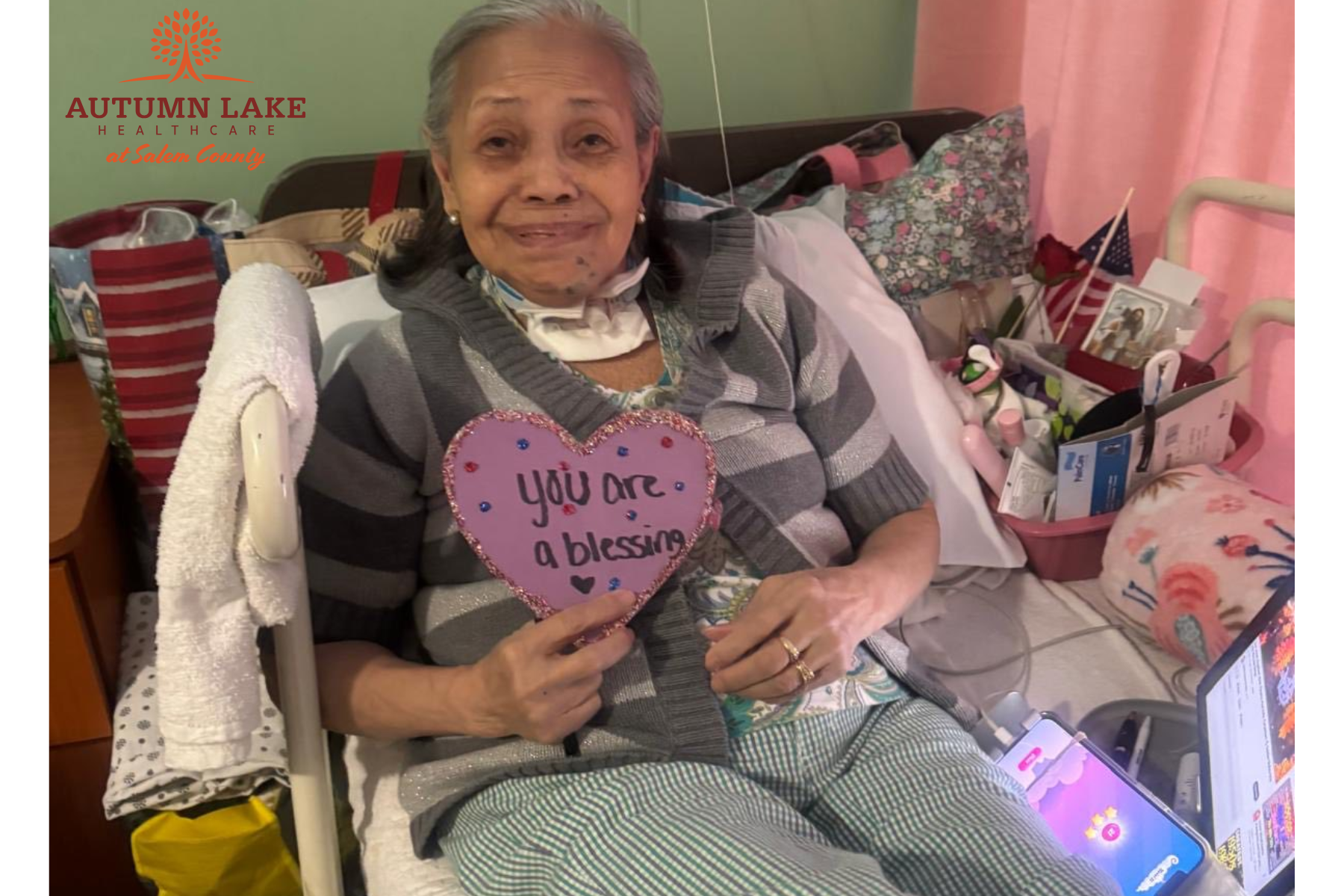
The environment plays a massive role in mental health and neurological healing. When seeking nursing home & elder care in Salem, NJ, look for a setting that balances clinical rigor with residential comfort. Our facility is designed to feel like a community, featuring:
- Spacious private & semi-private rooms
- Complimentary cable & WiFi to stay connected with family
- Private courtyard and garden for fresh air and “nature therapy.”
- Fine dining with a variety of menu selections
- On-site beauty salon to help patients feel like themselves again
- Spacious Lounges for visits from friends in the Fenwick neighborhood
- Daily Housekeeping & Laundry Service, so the focus remains on healing
For those who may eventually transition into assisted living in Salem, NJ, our social programs help maintain the cognitive engagement necessary for independent living.
Frequently Asked Questions
Is a Skilled Nursing Facility the same as a nursing home?
A SNF provides the same long-term care as a nursing home but adds specialized, short-term “skilled” medical and rehab services designed to transition a patient from the hospital back to home.
How long does stroke rehab usually last?
The timeline is unique to every survivor. Some stays last 2–3 weeks, while others require several months of professional care to regain full independence.
Can I switch from an SNF to an IRF later?
Yes. If a patient builds up enough stamina at a Skilled Nursing Facility, they may eventually transition to a more intensive program if the medical team deems it appropriate.
To Sum Up
Choosing the right path after a stroke is a significant responsibility. At Autumn Lake Healthcare at Salem-Manor, we combine clinical expertise with a heartbeat. Our board-certified specialists and dedicated nursing team ensure that your loved one is supported every step of the way.
Are you ready to see the difference that compassionate, expert care can make?
Visit us to schedule a tour of our private courtyard and garden, or call us today to discuss how we can support your family’s journey toward healing.