Long-term care homes ensure resident safety through a multi-layered approach involving 24/7 clinical monitoring, rigorous staff background checks, secure architectural design, and personalized care plans. These facilities integrate standardized health protocols with emotional wellness programs to protect the physical and mental health of vulnerable seniors while providing a secure, supportive environment.
The Foundation of Resident Protection: Clinical Oversight
When a loved one transitions into a professional care setting, the primary concern for any family is the consistency of medical supervision. High-quality facilities utilize a proactive medical model where registered nurses and licensed practical nurses are on-site around the clock. This ensures that even subtle changes in a resident’s health, such as a slight change in gait or a minor respiratory shift, are addressed before they escalate into emergencies. For those researching rehab homes in Salem, this level of clinical vigilance is what distinguishes a standard facility from a center of excellence.
24/7 Safety Protocols: A Comparison of Care Levels
Safety is not a one-size-fits-all concept. A resident recovering from hip surgery has different security needs than a resident living with advanced Alzheimer’s. Understanding these nuances is the first step toward securing true peace of mind.
| Safety Feature | Assisted Living | Skilled Nursing (LTC) | Memory Care Units |
| Staffing Ratio | Moderate | High (RNs/LPNs onsite) | Highest (Specialized) |
| Monitoring | Emergency pull-cords | Frequent clinical rounds | Constant visual & GPS |
| Medication | Self-managed or assisted | Full nurse administration | Full nurse administration |
| Environmental | Standard accessibility | Medical-grade safety | Locked/Secured perimeters |
During recent safety walkthroughs for families seeking rehab in Salem, NJ, we’ve noted that the most successful outcomes occur when the environment is tailored to the specific mobility restrictions of the individual.
5 Essential Pillars of Resident Well-Being
To maintain a high quality of life, top-tier facilities follow a structured framework to ensure no resident is overlooked.
- Comprehensive Risk Assessments: Upon admission, residents undergo fall risk, skin integrity, and cognitive evaluations to create a baseline for care.
- Integrated Health Technology: Use of smart beds and wearable sensors to detect unusual movement or changes in vitals in real-time.
- Strict Infection Control: Implementation of high-grade sanitation protocols and localized health monitoring to prevent the spread of seasonal illnesses.
- Social Engagement Programs: Curated activities designed to prevent the cognitive decline and depression often associated with senior isolation.
- Environmental Optimization: Anti-scald plumbing, non-slip flooring, and specialized lighting to reduce agitation and prevent accidents.
Families often compare these pillars when looking at assisted living in Salem, NJ, seeking a balance between a home-like atmosphere and the ironclad security of a medical institution.

Our Standard: The Autumn Lake Wellness Environment
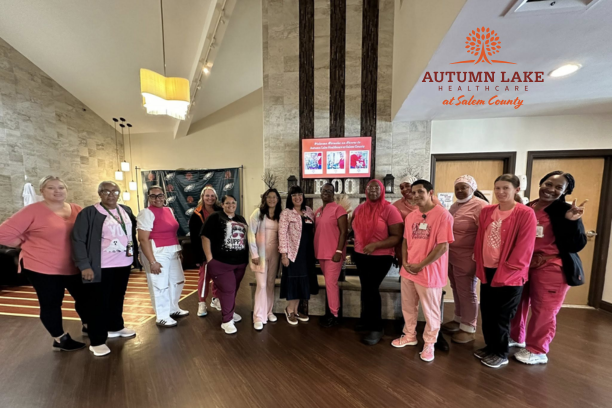
At the heart of our mission is a specialized approach to care that transcends standard nursing. Our newly-renovated facility includes a peaceful, modern lobby and a cutting-edge therapy room that promotes wellness and recovery in a joyful atmosphere. This environment isn’t just about aesthetics; it is a clinical tool designed to reduce stress and accelerate healing.
In addition to sub-acute rehabilitation, we are known for our excellence in long-term care, providing round-the-clock skilled nursing for a wide range of complex medical conditions. Our residents enjoy a delightful dining experience and can choose to join us in our communal dining room or to stay in the privacy of their own room. This framework is built upon premium amenities that support mental health:
- Spacious private & semi-private rooms for personal dignity.
- Complimentary cable & WiFi to keep residents connected to the outside world.
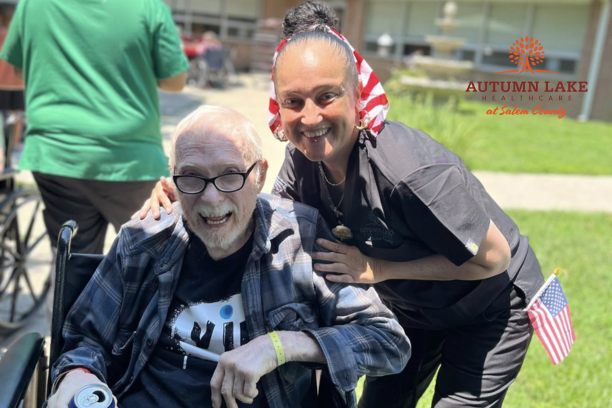
- Private courtyard and garden for safe, outdoor sensory experiences.
- On-site beauty salon to boost self-esteem and maintain personal routines.
- Daily Housekeeping & Laundry Service to ensure a sterile and dignified living space.
Whether a resident is here for a short-term stay or permanent residency, our model ensures that every logistical need, from fine dining with a variety of menu selections to complex medical management, is handled with precision. This is particularly vital for those browsing Salem assisted living options, where the quality of the physical environment directly impacts the resident’s psychological well-being.
Debunking the Myth: “Safety Means a Loss of Independence”
A common industry misconception is that a “safe” environment must be a restrictive, clinical one. Many families fear that ensuring the safety of a vulnerable resident requires “locking them down” or stripping away their autonomy.
The Reality: Modern long-term care focuses on “Positive Risk Management.” Instead of preventing a resident from moving to ensure they don’t fall, top-tier Salem nursing homes & elder care providers use Human-Centric Design. This includes “wayfinding” (using colors and landmarks to help navigation) and secure outdoor gardens. Safety is achieved through smart environment design and high staffing levels, allowing residents the freedom to explore their home without compromising their physical security.
Financial Accessibility and Peace of Mind
Securing high-quality care shouldn’t be an insurmountable financial burden. To ensure our community remains accessible to those who need it most, we accept Medicare, Medicaid, most insurances, and private pay. This flexibility allows families to focus on their loved one’s recovery rather than navigating complex billing cycles alone. Our administrative team works directly with providers to maximize benefits, ensuring that the transition into long-term care is as seamless as possible.
Frequently Asked Questions
How do long-term care homes prevent falls?
Facilities use a combination of frequent rounding, non-slip flooring, bed alarms, and regular physical therapy to strengthen resident mobility and balance.
What is the difference between skilled nursing and assisted living?
Skilled nursing provides 24/7 medical care by licensed nurses for complex conditions, while assisted living is designed for individuals who need help with daily tasks (like bathing or dressing) but do not require constant medical intervention.
How is resident medication managed?
In a skilled nursing environment, all medications are administered by licensed nurses who follow strict “five rights” protocols (right patient, drug, dose, route, and time) to prevent errors.
Can residents bring their own furniture?
Most facilities encourage residents to bring personal items like photos and small pieces of furniture to make their private or semi-private rooms feel more like home.
To Sum Up
At Autumn Lake Healthcare at Salem County, we believe that safety is the foundation upon which a joyful life is built. From our cutting-edge therapy rooms to our peaceful private courtyards, every inch of our facility is designed to provide the highest level of skilled nursing in an atmosphere of warmth and dignity.
Are you ready to see how we prioritize your loved one’s safety and happiness?
Schedule a Tour of Our Newly Renovated Facility Today!